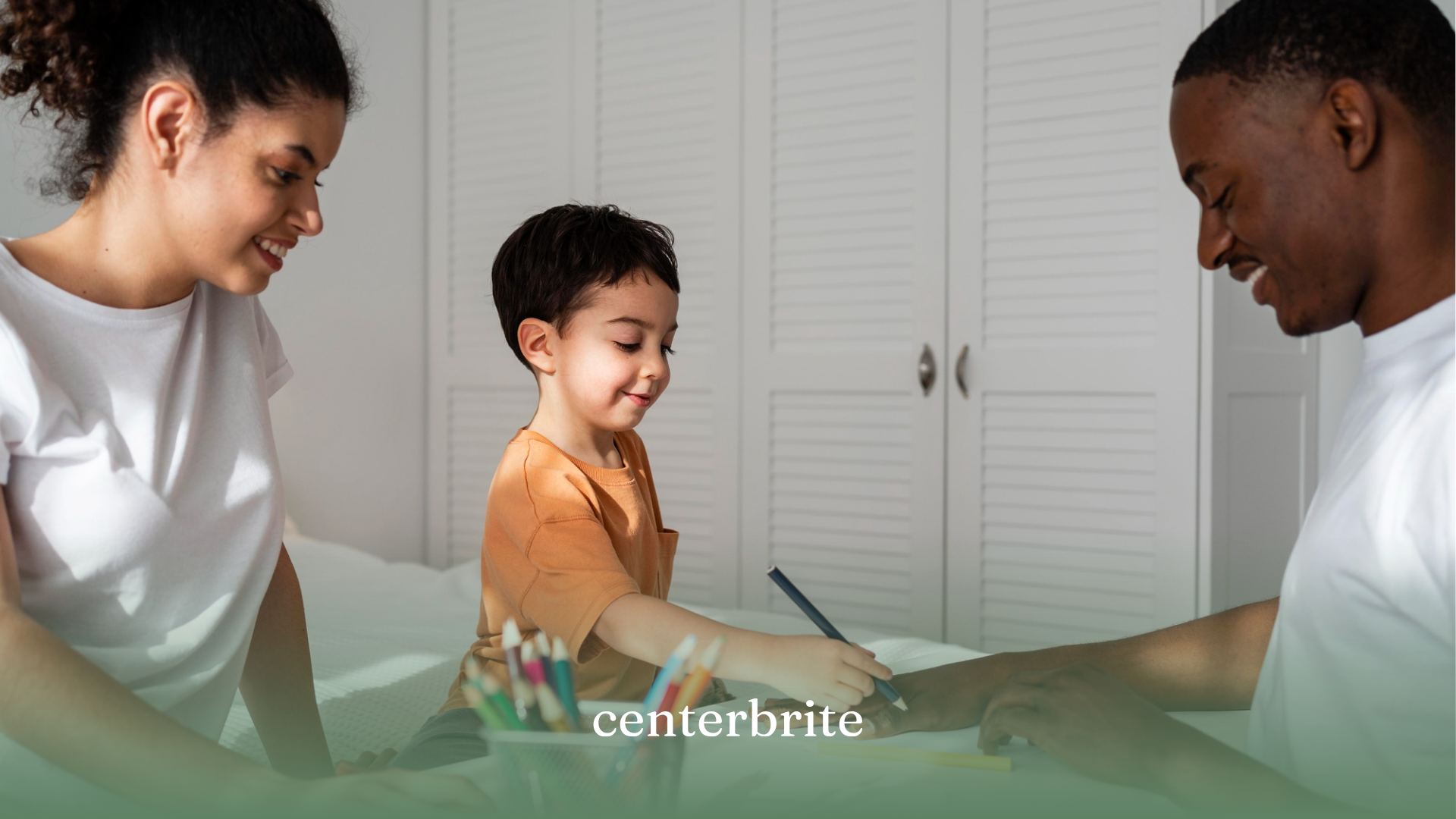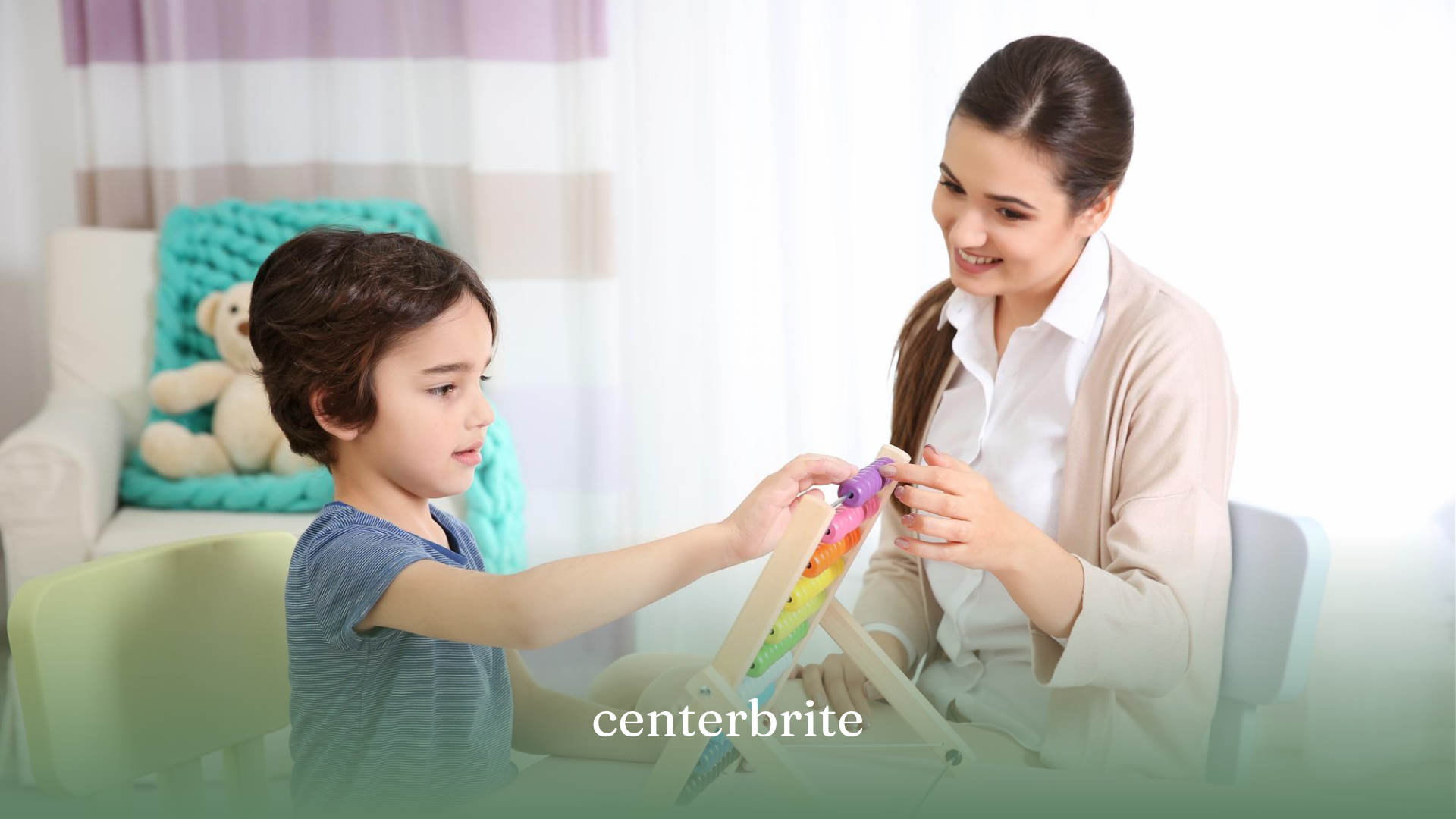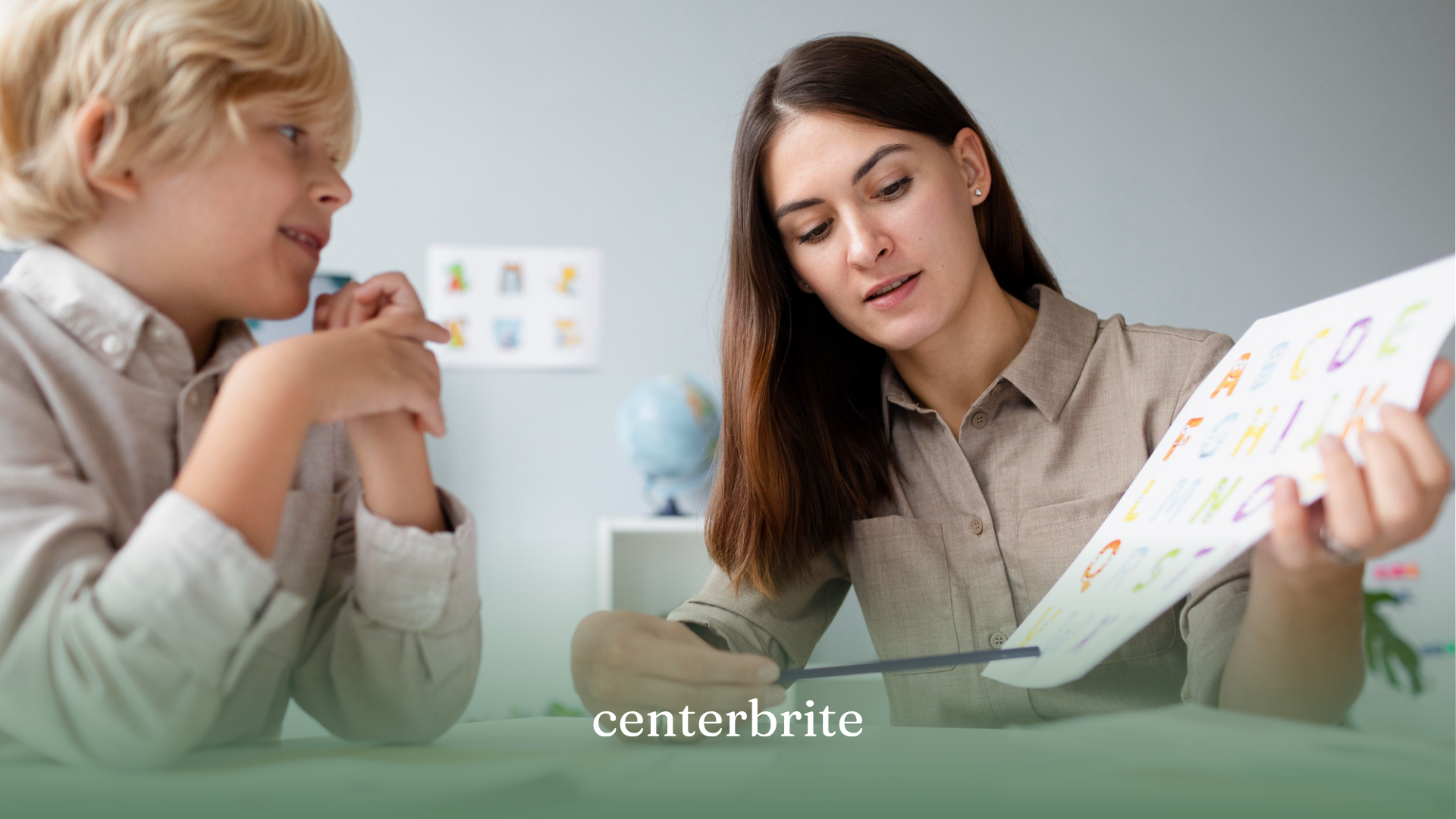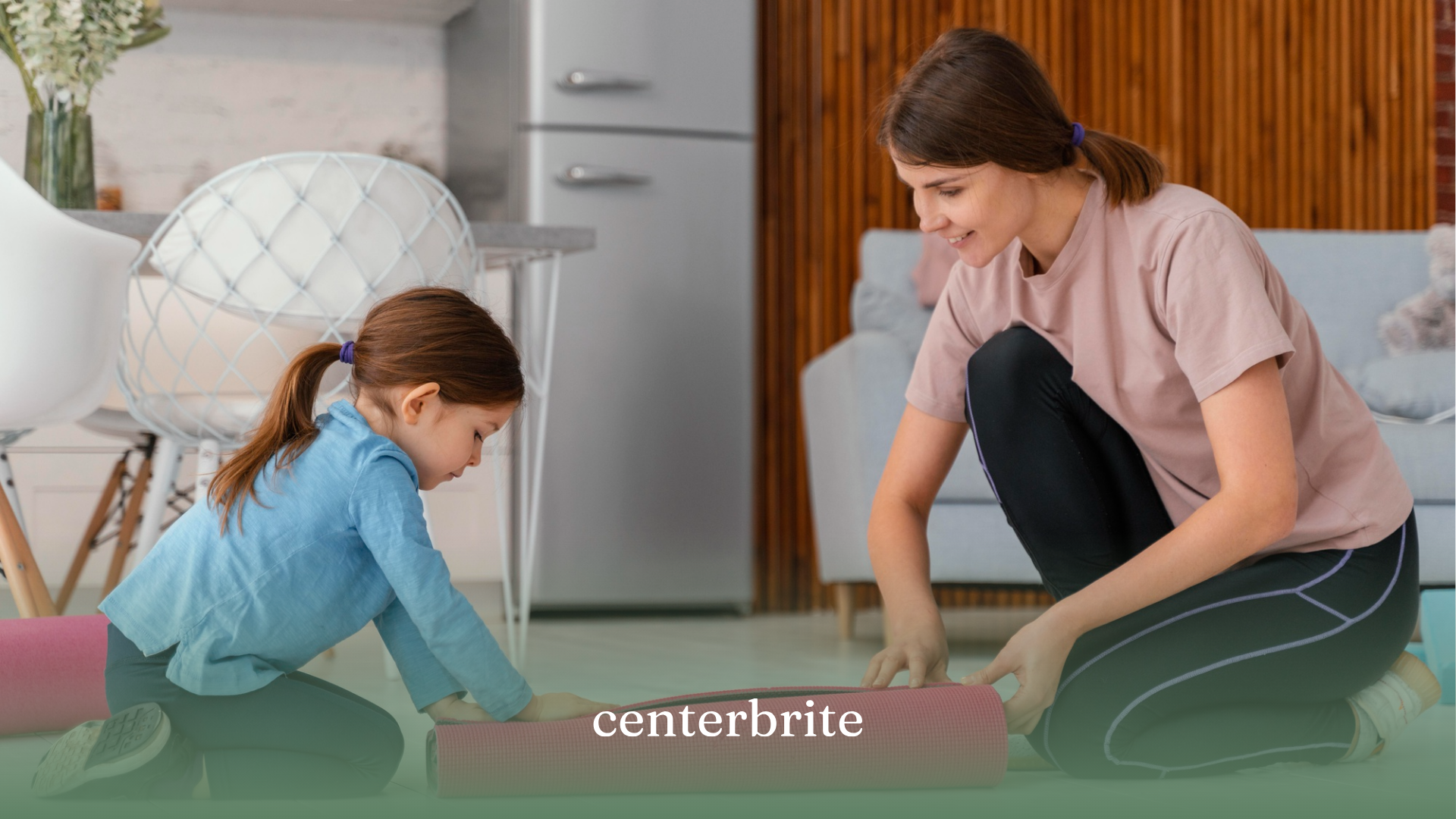
The night before a first session, a lot of parents clean.
Not normal cleaning. The kind where every toy goes into a bin, the couch gets vacuumed twice, and someone is wiping baseboards at eleven at night for reasons nobody can fully explain afterward.
You can skip most of that. I would much rather walk into a house with yesterday's laundry still on the couch than into a room that's been stripped so bare your child doesn't recognize it. A big part of what a therapist is there to see is your child interacting with the things your child normally interacts with, so clearing all of it away actually makes the first session harder.
There is a short list of things that genuinely matter, and it's mostly not the list people expect. Where the session happens, and whether it's the same spot each time. Whether the front door is secured, because elopement is a real risk for a lot of autistic kids and it tends to be the thing families underestimate most. Whether your child's communication device or picture cards are charged and in the room instead of in the car. Whether the dog has somewhere else to be for an hour.
This guide covers both lists for in-home ABA therapy: the parts of your setup that really do affect how a session goes, and the parts you have full permission to ignore.
Quick Answer: What Do I Actually Need to Prepare Before In-Home ABA Therapy Starts?
At minimum, set up a consistent, low-distraction area for sessions, address basic safety concerns like locked exits and secured hazards, and gather a few of your child's preferred items and any communication tools they already use. Talk with household members and pets in advance so the first session isn't the first time they meet the therapist. Most other details, from furniture to decor, matter far less than these basics.
Why Your Home Environment Matters for ABA Therapy
Structure and predictability are not just nice extras in ABA therapy; they're part of how the teaching itself works. According to the CDC, some autism treatment approaches rely on visual boundaries and clear routines to help a child understand what's expected in a given space, an idea drawn from structured teaching models used across the field. A home that offers at least one predictable, consistent area for sessions gives a therapist something to build on, and it complements the play-based, child-led session structure most ABA providers use today. This doesn't mean your entire house needs to look like a classroom. It means the specific space used for therapy should look and feel roughly the same from one session to the next.
Setting Up a Consistent Therapy Space
You do not need a spare bedroom or a dedicated playroom. A corner of the living room, a section of a bedroom, or even a consistent spot at the kitchen table can work, as long as it's used the same way each time. A few practical guidelines:
- Choose a space with enough room to sit on the floor comfortably, since much of ABA therapy happens at a child's level rather than at a desk.
- Keep the space relatively free of clutter that isn't part of the session, without stripping it bare.
- If possible, position the space away from a television, a window with heavy street noise, or a high-traffic hallway.
- Ask your BCBA whether they prefer specific furniture, like a small table and two chairs, or whether floor-based play works better for your child's goals.
Reducing Distractions During Sessions
Distractions don't need to be eliminated, since real life includes noise and interruption, but a few adjustments make a session considerably more productive. Turning off the television in the therapy area, silencing notifications on nearby devices, and giving other household members a heads-up about session times all help. If older siblings are home from school, a simple plan for what they'll be doing during that hour (homework in another room, a separate activity) prevents the most common early disruption. Pets that are highly active or vocal may need to be in a separate room, at least until the child and therapist have built rapport.
Safety-Proofing Your Home
This is the section families most often underestimate, and it deserves direct attention. Elopement, when a child leaves a safe area without a caregiver's knowledge, is a well-documented safety concern in the autism community. A nationally representative study published in PLOS ONE found that within 12 months, autistic children eloped from their own home at a meaningfully higher rate than in other locations, which were assumed to be safer, and children with more significant support needs showed even higher rates of leaving supervised settings. The same body of research has found that children who elope are also more likely to not recognize danger and to get lost easily, which raises the stakes of even a brief, unsupervised moment near a door or gate.
Before your first session, walk through your home with this in mind:
- Secure exterior doors, gates, and any pool or water access with working locks, and consider a simple door or window alarm if elopement is a known concern for your child.
- Store hazardous items, including medications and cleaning supplies, out of reach in the areas where sessions and daily life happen.
- Share any specific safety concerns with your BCBA before the first visit so they can be built into the treatment plan, not discovered mid-session.
In practice, we've seen how much of a difference this makes early on. A family we worked with mentioned, almost as an afterthought during intake, that their child had slipped out the back door twice that year. That single detail changed how the first few sessions were structured, with the therapist prioritizing communication goals around requesting to go outside before working on anything else. Safety context like this genuinely shapes the plan.
Gathering Materials and Reinforcers
Your BCBA will typically bring most clinical materials, but having a few things ready on your end helps sessions start smoothly:
- A few of your child's favorite toys, snacks, or activities (called reinforcers), since these are often used to build motivation during teaching.
- Any communication tool your child currently uses, whether that's a picture exchange system, an AAC device, or a specific set of signs.
- A visual schedule or timer if your child already responds well to one at home.
- A designated storage spot, like a bin or shelf, for session-specific materials so they don't get mixed into general toy storage.
Preparing Family Members, Siblings, and Pets
The people and animals already in your home are part of the environment too. Briefly explain to siblings what will be happening and why the therapist is there, using language appropriate to their age. For young siblings, a simple explanation like "this is [child]'s helper who plays games that help them learn" is usually enough. Pets that jump, bark, or seek constant attention often do better in another room during early sessions, then can be gradually reintroduced once the child and therapist have an established routine.
Room-by-Room Prep Checklist
| Area | What to Prepare | Why It Matters |
|---|---|---|
| Therapy space | Clear, consistent spot; floor room; minimal clutter | Supports predictability and structured teaching |
| Entryways & exits | Working locks, door or window alarms if needed | Reduces elopement risk during transitions |
| Kitchen/snack area | Preferred snacks on hand, allergy info shared with BCBA | Supports reinforcement without last-minute scrambling |
| Shared living spaces | TV off, notifications silenced, siblings briefed | Minimizes distractions during active teaching |
| Storage | Bin or shelf for session materials | Keeps materials consistent session to session |
What to Have Ready for Your First Few Sessions
Beyond the physical space, a few logistical items make the start of treatment less stressful. Keep your insurance verification details, intake paperwork, and your child's diagnostic evaluation accessible, since your BCBA or RBT may reference them during the assessment period. Write down emergency contacts, including a backup caregiver, and share them with your care team early. If your child has a specific medical condition, allergy, or seizure protocol, put that information in writing rather than relying on a verbal mention during the first visit. Many of these logistical questions, including what to expect from insurance and intake, are also covered in more detail on our FAQ page before your first session.
Common Mistakes to Avoid
A few well-intentioned habits can actually work against a session's goals. Removing every toy from the house to "minimize distraction" often backfires, since therapists frequently use a child's own preferred items as reinforcers. Hovering directly over every session can also make it harder for a child to build independence and rapport with their therapist, even though staying reachable and informed is important. Finally, treating the first session as a test the family needs to pass creates unnecessary pressure; a good BCBA expects an adjustment period and will tell you directly what, if anything, needs to change.
Setting the Stage for a Strong Start
Preparing your home for in-home ABA therapy comes down to a handful of things that genuinely matter: a consistent space, basic safety measures, a few ready materials, and a household that knows what to expect. Everything else, from decor to a spotless kitchen, matters far less than families often assume. A thoughtful setup gives your child's therapist a stronger starting point and gives your family one less thing to worry about as treatment begins.
Centerbrite is based in New Jersey, serving families across Bergen, Essex, and Morris counties. Our team walks every family through exactly what to expect before the first session, including specific guidance for your home and your child's needs. If you're getting ready to start ABA therapy or want to talk through your service area and next steps, contact us today!
Frequently Asked Questions
1. Do I need a dedicated room for in-home ABA therapy?
No. A consistent, relatively distraction-free area, like a corner of a living room, is usually sufficient. What matters more than square footage is that the space is used the same way from session to session.
2. What if my home isn't very organized or clean?
A typical, lived-in home is completely normal for in-home ABA therapy. Focus on the specific safety and structure items in this guide rather than general tidiness, which does not meaningfully affect session quality.
3. Should I stay in the room during sessions?
This depends on your child's treatment plan and your BCBA's recommendation. Many families stay nearby and get pulled in for specific coaching moments, while others give the therapist and child more independent space, especially as rapport builds.
4. How do I prepare siblings who will be home during sessions?
A brief, age-appropriate explanation is usually enough. Younger siblings often do well with a simple description of what the therapist does, while a quiet activity or separate space during active teaching time helps limit interruptions.
5. What should I do if my child has eloped from home before?
Tell your BCBA directly and as early as possible. This information should shape both your home safety setup and the treatment plan itself, since elopement-related goals can often be built directly into therapy.
Sources:
- https://www.cdc.gov/autism/treatment/index.html
- https://pmc.ncbi.nlm.nih.gov/articles/PMC4742252/
- https://nationalautismassociation.org/resources/wandering/
- https://littlechampsaba.com/blog/elopement-in-autism/