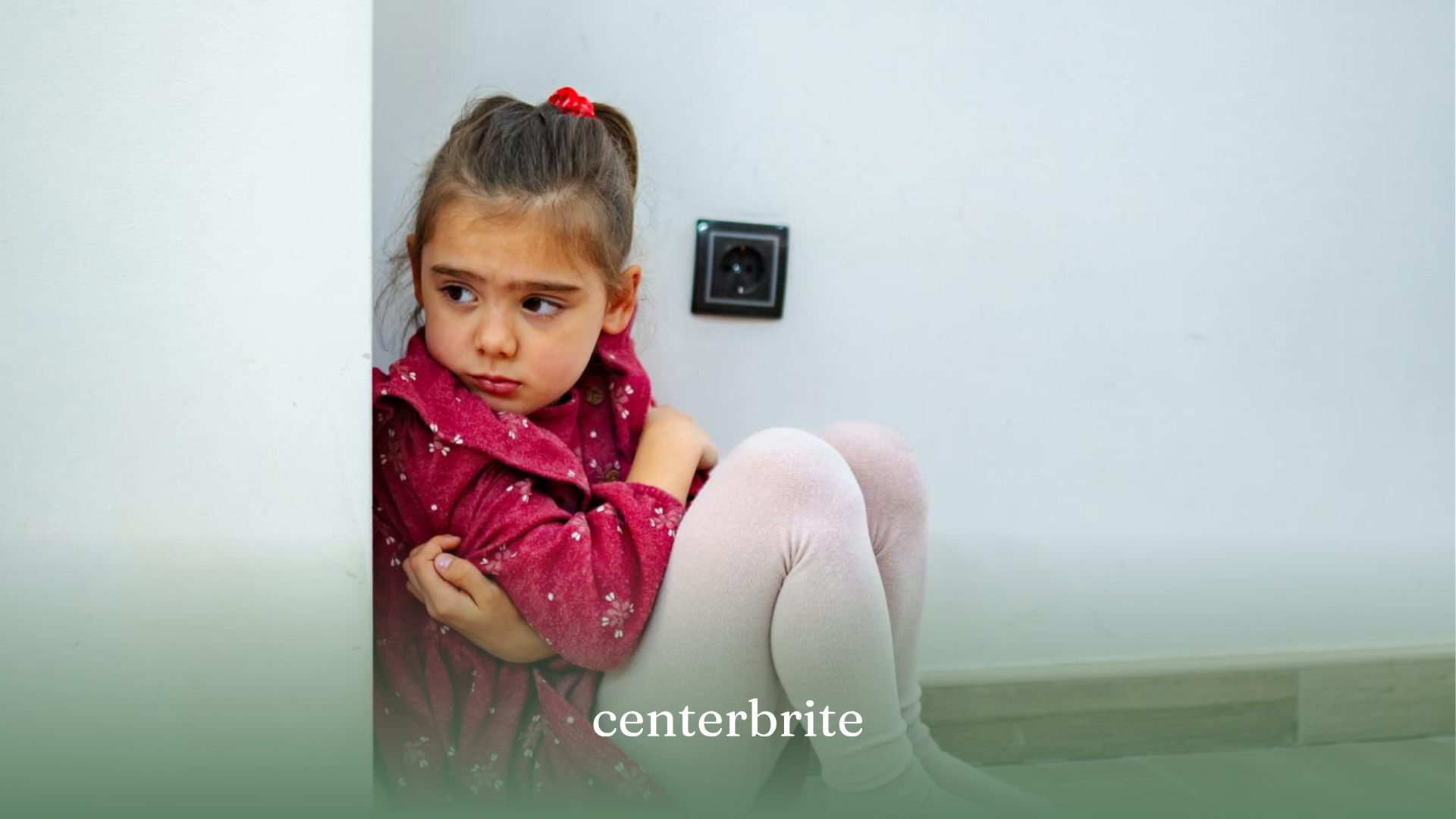
Here is the heart of it. For many autistic children, not knowing what comes next is not a small inconvenience. It is hard, tiring work for the body and mind, and routines, visual cues, and clear warnings take some of that work away. That is why predictability matters in autism, and why a different route home or a skipped step at bedtime can feel enormous. It is not stubbornness. It is a child protecting their sense of safety. The good news is that you can build predictability into your day, and flexibility can grow on top of it.
Myths and truths, at a glance:
- Myth: Needing routine is stubbornness.
Truth: It is often a way to feel safe. - Myth: Predictability means no change, ever.
Truth: It is the safety net that makes change possible. - Myth: Every autistic person needs the same amount.
Truth: Needs vary by person and by day. - Myth: One tool, like a schedule, fixes everything.
Truth: Tools work best as part of a plan. - Myth: Flexibility cannot be learned.
Truth: Small, supported steps build it. - Myth: You should wait it out.
Truth: If change causes distress most days, get support.
What Predictability Means in Autism
Predictability is knowing, ahead of time, what is going to happen, where, with whom, and for how long. It sounds simple, but it shows up in five different places in a child's day.
| Type | What it means | A support that helps |
|---|---|---|
| Time | Knowing what happens and when | Visual schedule or countdown timer |
| Place | Familiar spaces and a clear layout | Same seat at the table, labeled bins |
| People | Knowing who is coming and how they respond | A photo of the visitor, the same key phrases from every adult |
| Sensory | Steady sound, light, and touch | Headphones for loud places, a preview of noisy events |
| Expectations | Knowing what is asked and when it ends | First-then card, a clear start and finish to tasks |
You do not need to cover all five. Most children struggle most in one or two, and finding those is the first step.
Why Predictability Matters in Autism
It lowers stress.
A systematic review and meta-analysis pooled ten studies and found a strong link between intolerance of uncertainty and anxiety in autistic people (r = 0.62). In plain terms, the harder it is to tolerate not knowing what comes next, the more anxious a person tends to be. The authors cautioned that the research base is small and uneven in quality, and a link is not proof of cause. Still, it fits what many families see. When the unknown feels threatening, the body stays on guard.
It fits how many autistic children experience the world.
The CDC lists getting upset by minor changes and needing to follow certain routines among behaviors that can be part of autism, on its signs and symptoms page. Pellicano and Burr also proposed that autistic perception may rely less on prior expectations, so the world can feel "too real," with less of a filter. That is a theory and not settled science, but it offers a kind of explanation for why a small change in sound, light, or routine can feel big.
It frees up energy for learning.
When the order of events is familiar, a child does not have to spend energy working out what comes next. That energy can go into a new skill, like asking for help, waiting a turn, or trying a new food. A child who is on guard has little left for play, listening, or learning.
It builds trust.
When adults do what they said they would do, a child learns that the world is safe to explore. Over time, that trust makes new experiences easier to try.
It gives children another way to cope.
When a child can see what is coming, there is often less need to protest through big behavior. A schedule, a timer, or a card gives them a way to find out what is next and to handle waiting, which are skills worth teaching on purpose.
Signs Predictability May Be a Pressure Point
These are patterns, not a diagnosis, but they often point to a child who needs more predictability:
- Repeated questions about what happens next, or distress when the answer is unclear
- Strong reactions to endings, transitions, or a changed route
- Difficulty with new places, people, or foods until they have been previewed
- Sleep, eating, or behavior that gets harder after a change, like a holiday or a new classroom
- Calm, even happy, behavior when the day follows a familiar order
That last sign matters most. Many children are at their best inside a predictable day, which tells you the need is real and not a behavior to be corrected.
Predictability Is Not the Same as Rigidity
I want to be careful here. Not every autistic child needs the same level of predictability, and needs shift with age, sleep, hunger, and stress. Some children enjoy surprises on a good day. What matters is paying close attention to your own child.
It also helps to separate predictability from rigidity. Predictability means your child can see what is coming, often with support like pictures or a countdown. Rigidity is when change causes intense distress and your family's life shrinks around avoiding it. The goal is not a life without change, because life is full of it. The goal is a child who feels safe enough to practice handling change, with a trusted adult nearby and the safety net still in place.
What We've Seen in Our Sessions
Here is a pattern we see often. We worked with a six-year-old I will call Ava (her name and details are changed for privacy). Mornings were the hardest part of her day. If the order shifted, say her dad did the routine instead of her mom, or the bus came early, Ava froze, then cried, then refused to put on her shoes.
Her team started with the setup, not the behavior. They built a five-step morning picture strip with her: wake up, get dressed, breakfast, teeth, shoes. Every adult in the house used the same words. Then they practiced swaps through play during sessions. One picture would change places, a bright "change card" would appear, and Ava earned a favorite reward for pointing to it. She learned that a change card meant "the plan is different," and not "something bad is happening."
A few weeks later, the school bus came early. Ava looked at the strip, pointed to the change card, and put on her shoes. Her mother said it was the first time in months she had not dreaded the morning. Her parents kept the strip on the wall and added new pictures one at a time, like a Saturday trip to the library, so that each new thing arrived with a preview.
Behind the scenes, every visit follows a steady four-part rhythm: a warm-up, skill practice, data recording, and a wrap-up with a handoff to caregivers.
How to Build Predictability at Home
Start by spending three days just noticing. Write down when distress happens and what changed right before it. Most families find that two or three kinds of change cause most of the trouble, like endings, surprises, or new people. Then choose tools for those moments.
Visual Schedules
Pictures or words in order, starting with just the next two or three steps. Visual supports appear among the 28 evidence-based practices identified in the 2020 review from the National Clearinghouse on Autism Evidence and Practice, along with antecedent-based interventions and social narratives. One recent literature review did note that schedules are rarely tested on their own, so it is hard to say how much benefit comes from the schedule alone. Use it as one piece of a broader plan, alongside teaching and reinforcement.
Timers and Warnings
A sand timer or visual timer makes "soon" something your child can see.
First-Then Cards
One non-preferred step followed by one preferred one, in a clear order.
Previews
A few pictures and a simple sentence can take the surprise out of new places and people.
Anchor Routines
Keep wake-up, meals, and bedtime steady, and allow flexibility in the middle of the day.
Short, calm, consistent language works best:
- Warning: "Two more minutes of blocks, then shoes."
- Preview: "We are going to the store. First cereal, then milk, then home."
- Change: "The plan changed. New plan: the library. You get to pick the book."
Predictability also has to travel. Share the schedule, the change card, and the key phrases with grandparents, babysitters, and teachers. At school, ask for a copy of the daily schedule, a heads-up about changes like assemblies or substitutes, and a simple way for your child to ask for a break.
Teaching Flexibility, One Step at a Time
Predictability is where we start, not where we stop. Practice change in small, happy steps, and never in the middle of a hard moment. Here is a simple ladder:
- Keep the routine the same, and add a preview.
- Change one tiny detail, like the color of the cup.
- Swap the order of two steps, with a picture swap.
- Change a bigger event, like the route home, with a full preview and a reward.
Move up only when your child handles a step calmly several times in a row, and drop back a step on rough days. That is not failing. It is pacing.
When to Ask for Help
Reach out to your pediatrician and a BCBA if change leads to intense distress most days, if routines are taking over family life, if sleep or eating are suffering, or if your child seems anxious much of the time. A good first assessment looks at the whole child, including communication, daily living skills, play, social interaction, and behavior, so the plan reflects what is really driving the difficulty. Our FAQ page explains how getting started works, from the first call to the initial assessment.
Helping Your Child Feel Safe and Ready for More
Understanding why predictability matters in autism changes how everyday moments look. Predictability is not about keeping your child small. For many autistic children, it is the foundation that lets them try new things with confidence. At Centerbrite, we provide in-home ABA therapy for autistic children, with predictable session routines, flexibility taught in small steps, and parent coaching so every tool works at home too. We proudly serve families in New Jersey and Virginia. If changes are making your days harder, contact us today to get started. We would love to help your child feel safe and ready for what comes next.
Frequently Asked Questions
1. Why does predictability matter in autism?
Because not knowing what comes next can be stressful and tiring for many autistic children. Predictable routines and clear cues lower that stress and leave more energy for play and learning. They also give children a way to cope, which is a skill families and therapists can teach.
2. Do all autistic children need predictability?
No. Needs vary a lot, and they can change with age, mood, and stress. Watch your own child to learn what helps.
3. Is needing routine a sign of stubbornness?
No. It is more often a way to feel safe in a world that can feel unpredictable. Responding with support usually works better than responding with pressure.
4. Should I avoid changing routines altogether?
No. Keep a few anchor routines steady, and add small planned changes with preparation and rewards. Avoiding every change can make the next one even harder.
5. How can ABA therapy help with transitions and change?
A BCBA can look at what makes a particular change hard, then use previews, timers, first-then cards, and reinforcement, and teach coping skills in small steps. Coaching parents to use the same tools at home is a key part of it.
Sources:
- https://www.cdc.gov/autism/signs-symptoms/index.html
- https://journals.sagepub.com/doi/abs/10.1177/1362361320932437
- https://researchers.mq.edu.au/en/publications/when-the-world-becomes-too-real-a-bayesian-explanation-of-autisti/
- https://autismpdc.fpg.unc.edu/?p=725
- https://digitalcommons.wne.edu/casfacpubs/10/